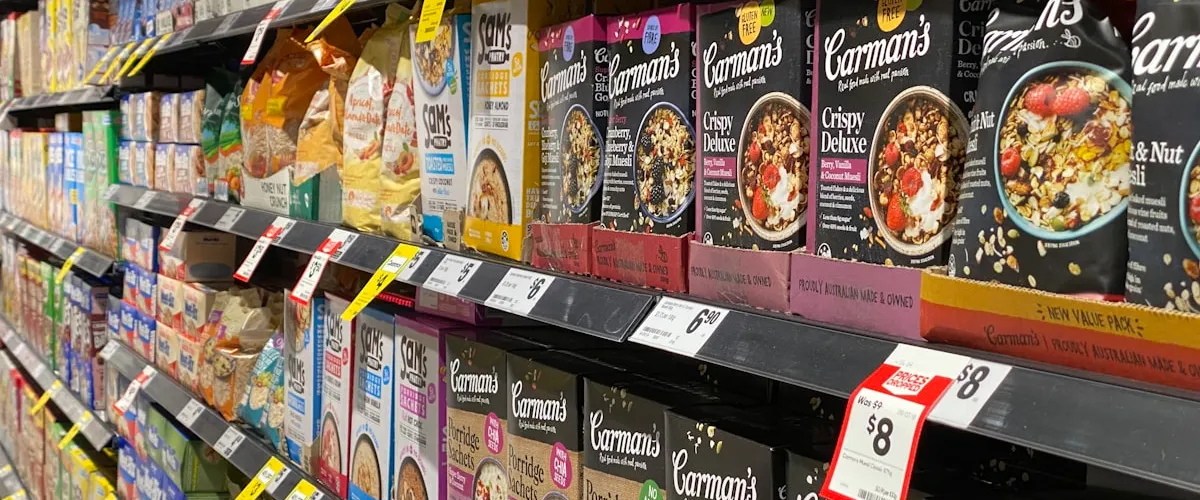
Understanding how retail employees actually handle restocks gives you a significant advantage over shoppers who simply show up and hope for the best. Store employees follow specific procedures, timelines, and internal systems that dictate when products hit shelves, how inventory is managed, and what information they can (and cannot) share with customers. By understanding these processes, you can time your visits, ask the right questions, and build relationships that give you a genuine edge.
This guide is based on common retail practices, publicly shared employee experiences, and standard industry workflows. Every store is different, but the patterns described here apply broadly across major retailers.
How Retail Restocking Actually Works
The journey from manufacturer to store shelf involves multiple steps, and each step creates opportunities for informed shoppers.
The Supply Chain Timeline
| Stage | Timeline | What Happens |
|---|---|---|
| Manufacturer ships to distribution center | Weeks before in-store availability | Products are produced and shipped in bulk to regional distribution hubs |
| Distribution center receives and sorts | 1-3 days at the DC | Inventory is logged, sorted, and allocated to individual stores |
| Truck loaded for store delivery | 1-2 days before delivery | Store-specific pallets are assembled based on inventory needs |
| Truck arrives at store | Delivery day | Products arrive at the store’s receiving dock |
| Backroom processing | Hours to 1 day | Employees unload, scan, and sort incoming inventory |
| Shelf stocking | Hours after processing | Products are moved from backroom to sales floor |
| Available for purchase | After shelf stocking | Products appear on shelves and in POS systems |
The total timeline from shipment to shelf is typically 1-2 weeks, but the critical window for shoppers is the 24-48 hours between truck arrival and shelf stocking.
Delivery Schedules by Retailer
Every major retailer has regular delivery schedules, though specifics vary by location.
| Retailer | Typical Delivery Days | Stocking Time |
|---|---|---|
| Walmart | Daily or near-daily | Overnight stocking (10 PM - 7 AM) |
| Target | 2-4 times per week | Early morning and overnight |
| Best Buy | 2-3 times per week | Morning before store opening |
| GameStop | 1-2 times per week | During business hours |
| Micro Center | 2-3 times per week | Before store opening |
| Costco | 3-5 times per week | Early morning |
These are general patterns. Your specific store may deviate based on location, seasonal demand, and supply chain conditions.
The Employee Perspective
Understanding what retail employees experience during restocks helps you interact with them more effectively.
What Employees Deal With During High-Demand Restocks
- Customer aggression — Some shoppers become hostile when told items are sold out
- Repetitive questions — Answering “When will you get more?” hundreds of times per shift
- Policy enforcement — Having to enforce purchase limits on frustrated customers
- Internal pressure — Management pushing for fast stocking while customers demand attention
- Information limitations — Often genuinely not knowing when specific products will arrive
- Personal purchase restrictions — Many retailers prohibit employees from purchasing high-demand items before customers have access
What Employees Actually Know
Retail employees have access to varying levels of information depending on their role:
Sales Floor Associates:
- Can check if an item is in the backroom
- Know general delivery days for their department
- Can see inventory counts in the system (but not incoming shipment details)
- Know recent patterns of when products were stocked
Department Managers / Team Leads:
- See incoming shipment manifests (what is on the next truck)
- Know delivery schedules and can predict arrival windows
- Have access to inventory management systems
- Can sometimes request specific product allocations
Store Managers:
- Have full visibility into supply chain status
- Can see company-wide inventory levels
- May know about upcoming promotions and restocks in advance
- Make decisions about how high-demand items are distributed
What Employees Cannot Tell You
Even when employees know something, store policies often prevent them from sharing:
- Exact delivery dates for specific products — Most retailers prohibit sharing shipment details
- Whether a product is being held in the backroom — Inventory in processing is not available for sale
- When online exclusives will be restocked — In-store staff typically have no visibility into online operations
- Internal communications about restocks — Company memos and internal messages are confidential
- Other customers’ purchases — Privacy policies prevent sharing what others have bought
How to Get Information (Without Being Pushy)
There is an art to getting useful information from retail employees without crossing the line into being annoying or intrusive.
Do: Be Friendly and Respectful
- Introduce yourself casually — “Hi, I’m hoping to find [product]. Has that been coming in recently?”
- Show genuine interest — Ask about the product category, not just “when will you get more?”
- Be patient — If the employee is busy, ask when would be a better time to chat
- Accept “I don’t know” gracefully — They may genuinely not have the information
- Thank them regardless of the answer — Courtesy goes a long way toward future helpfulness
Do: Ask the Right Questions
Instead of asking questions employees cannot answer, ask ones they can:
| Bad Question | Better Question |
|---|---|
| ”When will you get more PS5s?" | "What days do your trucks usually come in?" |
| "Is there one in the back?" | "Could you check the system for that item?" |
| "Can you hold one for me?" | "Does your store do any kind of notification when items arrive?" |
| "Why don’t you have it?" | "Has this been coming in at all recently?" |
| "Can I talk to the manager?" | "Is there someone in this department who might know more?” |
Do Not: Be That Customer
- Do not call daily asking the same question — Staff remember frequent callers, and not fondly
- Do not follow employees around — Give them space to do their jobs
- Do not argue about policies — Purchase limits and stocking procedures are not up to individual employees
- Do not try to bribe employees — It puts them in an uncomfortable position and can get them fired
- Do not film or photograph employees — This is unwelcome in virtually every retail environment
- Do not camp in the store — Lingering for hours waiting for stock to be put out is disruptive
For more on building relationships with retailers, see our Target restock strategy guide.
Backroom Inventory: What You Need to Know
The backroom (stockroom) is where incoming inventory is processed before it reaches the sales floor. Understanding this space helps you understand why items may be “in stock” in the system but not available on the shelf.
Why Items Stay in the Backroom
- Processing time — New shipments must be scanned, sorted, and logged before going to the floor
- No shelf space — The sales floor is full; items wait for space to clear
- Planned stocking times — Many stores stock overnight or early morning, not during peak hours
- Price tag printing — Items need price labels or shelf tags before being displayed
- Security tagging — High-value items need anti-theft tags before reaching the floor
- Hold for display — New products sometimes wait for promotional displays to be set up
- Damage inspection — Damaged items are held back for review
Can Employees Get Items from the Back?
Generally, yes — if the item is available. Here is what typically happens when you ask:
- The employee checks the inventory system on their handheld device or computer
- If the system shows backroom inventory, they go check the physical location
- If found and processed, they bring it out for you
- If the inventory count is wrong (common), they explain the discrepancy
Employees are generally willing to check the backroom, but be aware:
- Phantom inventory is real — Systems often show items that physically are not there (miscounts, theft, misplacement)
- Unprocessed items cannot be sold — If the item arrived today but has not been processed through receiving, it is not available for sale
- The backroom is not organized like the sales floor — Finding a specific item can take 10-15 minutes, and the employee may be pulled from other duties
Stocking Patterns and Timing
Knowing when stores stock shelves helps you arrive at the right time.
Overnight Stocking (Walmart, Target)
Many large retailers stock overnight when the store is empty or has minimal foot traffic:
- Stocking shift: Typically 10 PM - 7 AM
- Products stocked first: Essential categories (grocery, household) then discretionary (electronics, toys)
- When to shop: Arrive at store opening (6-8 AM) for the freshest selection
- Advantage: By morning, all incoming inventory is typically on the floor
Morning Stocking (Best Buy, Micro Center, GameStop)
Specialty retailers often stock in the morning before or shortly after opening:
- Stocking time: 1-2 hours before store opening
- Products stocked first: High-demand electronics, new releases
- When to shop: Within the first hour of store opening
- Advantage: Staff are still completing stocking and may direct you to newly placed items
Continuous Stocking
Some stores stock throughout the day as inventory is processed:
- Opportunistic timing: Products appear on shelves at unpredictable times
- How to identify: If you see employees with rolling carts of merchandise, new stock is being put out
- Advantage: Multiple visits on the same day might yield different inventory
The Phone Call Strategy
Calling ahead saves you time and gas money. Here is how to make phone calls that actually produce useful information.
Optimal Call Timing
- Call early in the morning — Staff are less busy and more willing to help
- Avoid calling during peak hours — Weekday evenings and weekends are the busiest times
- Call the department directly — If the store’s phone system allows, dial the electronics or gaming department extension rather than the general line
- Keep calls brief — Respect the employee’s time with concise, specific questions
Phone Call Script
A well-structured call gets results:
- “Hi, I’m looking for [specific product with model number].”
- “Could you check if you have it in stock?”
- If yes: “Great, could you hold it for me? I can be there within [time].”
- If no: “When do your deliveries usually come in for electronics?”
- “Thanks for your help, I appreciate it.”
What to Expect
- “Let me check” — Good sign; they are looking it up in the system
- “We don’t have that in stock” — Accept this; do not push for more specifics
- “I’m not sure” — Ask if there is someone else who might know
- “We can’t hold items” — Some stores do not hold, especially for high-demand products
- “We don’t give out that information” — Respect the policy; thank them and move on
Employee Timing and High-Demand Product Distribution
Stores have specific procedures for releasing high-demand products, and employees are trained to follow them.
Common Distribution Methods
| Method | How It Works | Where Used |
|---|---|---|
| First come, first served | Items go on the shelf; whoever finds them first gets them | Most retailers for standard inventory |
| Ticket system | Tickets are distributed to people in line before store opening; tickets guarantee purchase | Best Buy, Micro Center for GPU/console launches |
| Online queue | Customers enter a virtual queue for the right to purchase | Best Buy, Target for online drops |
| Lottery / raffle | Random selection from interested customers | Newegg Shuffle, some specialty retailers |
| Reservation system | Customers reserve online for in-store pickup | Multiple retailers |
Employee Rules During High-Demand Events
Retailers implement strict rules for employees during high-demand product releases:
- Employees cannot purchase before the public — Most major retailers have policies preventing employees from buying high-demand items before or immediately after they become available to customers
- Family and friends restrictions — Employees typically cannot hold or reserve items for people they know
- Disciplinary action — Violating these policies can result in termination
- Stocking transparency — Some stores require that high-demand items be stocked only during specific windows with management oversight
For details on how specific retailers handle their distribution systems, see our Newegg Shuffle guide and Micro Center GPU buying guide.
Building Genuine Relationships
The most effective long-term strategy is building genuine, respectful relationships with store employees.
How Relationships Help
Employees who know and like you are more inclined to:
- Mention when a product just arrived — Not a policy violation if the item is already on the floor
- Direct you to newly stocked areas — “We just put some stuff out in aisle 12”
- Give general timing guidance — “Mornings on Tuesdays are usually your best bet”
- Remember your preferences — “I know you were looking for that — I saw one earlier”
How to Build These Relationships
- Be consistent — Shop at the same store regularly
- Learn names — Use their name tag and remember it
- Have genuine conversations — Talk about shared interests (gaming, tech, etc.)
- Be understanding during busy periods — Do not add to their stress
- Provide positive feedback — Fill out customer surveys with specific employee praise
- Do not ask for special treatment — Let the relationship develop naturally
Boundaries to Respect
- Never ask an employee to violate policy for you — This puts them at risk
- Do not offer tips or gifts — Many retailers prohibit employees from accepting gifts from customers
- Respect their personal time — If you see them outside of work, do not pester them about inventory
- Understand that helpfulness has limits — Even the friendliest employee cannot share confidential information
Insider Knowledge About Inventory Systems
Understanding how inventory systems work helps you interpret the information employees give you.
Inventory Counts Are Often Wrong
Retail inventory systems are notoriously inaccurate. Common reasons:
- Shrinkage (theft) — Items stolen but not recorded as missing
- Misplacement — Items on the wrong shelf or in the wrong backroom location
- Receiving errors — Shipments scanned incorrectly
- Return processing delays — Returned items not yet added back to available count
- System lag — Real-time updates are not always truly real-time
When an employee says “the system shows 2 in stock, but I can’t find them,” this is a genuine and common occurrence, not a deflection.
Online vs. In-Store Inventory
Many retailers maintain separate inventory pools for online and in-store sales:
- Items listed as “in stock” online may be reserved for online orders and unavailable for walk-in purchase
- In-store inventory may not be reflected on the website
- Ship-from-store inventory is technically in-store stock but allocated for online fulfillment
- Store pickup orders pull from in-store inventory and may reduce floor availability before employees can re-stock
How Stores Prioritize Stocking
When a truck arrives with mixed inventory, stores prioritize stocking in this general order:
- Perishables (grocery stores) — Must be stocked immediately
- Advertised sale items — Products featured in current ads need to be available
- High-velocity items — Products that sell quickly and have empty shelf space
- New releases — Launch-day products are prioritized
- Standard replenishment — Regular inventory filling empty spaces
- Overstock — Items beyond normal shelf capacity go to backroom or clearance
Seasonal Employee Insights
Seasonal hiring patterns affect your restock experience.
Holiday Season (October - January)
- Temporary staff are hired who may have less product knowledge
- Experienced staff are stretched thin across more departments
- Inventory volume increases dramatically, which means more products but also more chaos
- Return volumes spike in January, creating opportunities for open-box and clearance finds
Off-Season (February - September)
- Smaller staff means fewer employees to ask for help but also less customer competition
- Better availability of employee time for conversations and backroom checks
- Clearance cycles are more predictable outside of holiday chaos
- Relationship building is easier when stores are less hectic
For broader seasonal strategies, see our Black Friday restock strategy guide.
FAQ
Is it okay to ask store employees about incoming restocks?
Yes, it is fine to ask politely. Employees are accustomed to inventory questions and most are happy to help within the bounds of what they are allowed to share. Ask general questions like “What days do deliveries usually come?” or “Has this product been coming in recently?” rather than demanding specific restock dates. Accept their answer graciously, even if it is “I don’t know.” Being friendly and respectful increases the likelihood of getting helpful information.
Can store employees hold items for customers?
Policies vary by retailer and product. Many stores allow employees to hold standard items for a limited time (usually a few hours). However, most retailers prohibit holds on high-demand products like GPUs, consoles, and limited-edition items. Ask politely, but do not be surprised or upset if the answer is no. For high-demand items, the only reliable strategy is being physically present when they are stocked.
Do employees get first access to restocked products?
Most major retailers have policies explicitly prohibiting employees from purchasing high-demand products before customers have access. Violations can result in termination. Employees may purchase items after they have been publicly available for a set period (often 24-48 hours). These policies exist to maintain customer trust and prevent the perception of unfair advantage.
What time should I arrive at a store for the best chance at newly restocked items?
For overnight stocking stores like Walmart and Target, arriving within the first hour of store opening gives you access to freshly stocked shelves. For morning stocking stores like Best Buy and Micro Center, arrive before or right at opening. For stores that stock continuously throughout the day, there is no single optimal time, but calling ahead to ask when deliveries typically arrive can help you narrow the window.
How can I tell if a store just received a shipment?
Several visual cues indicate recent stocking: full shelves in departments that were previously sparse, employees with rolling carts of merchandise, pallets or boxes visible near department entrances, and price tags that look freshly printed. You might also notice employees scanning items with handheld devices (processing new inventory). If you are a regular at a specific store, you will start to recognize the rhythm of deliveries and stocking patterns naturally over time.