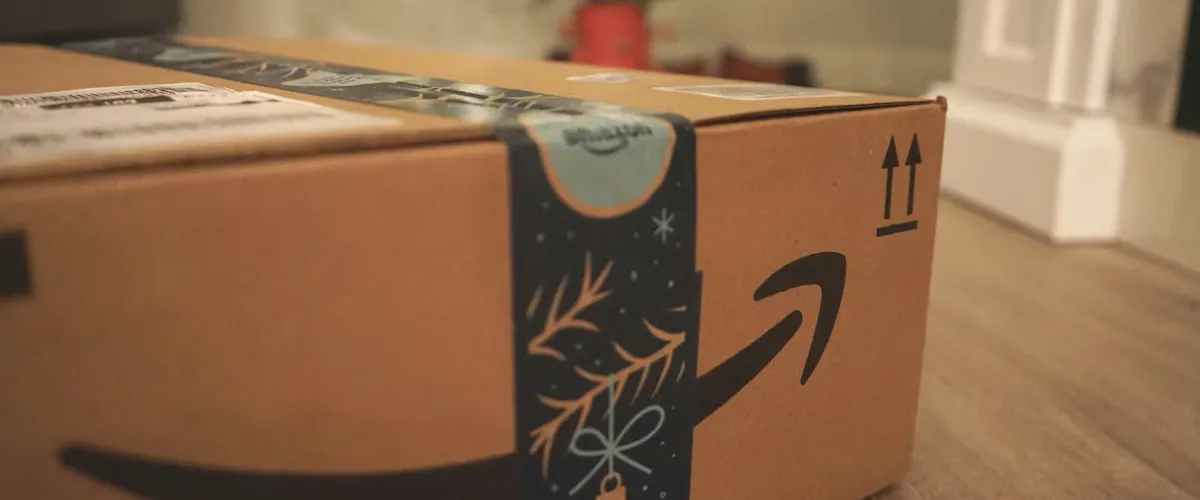
You spent weeks monitoring for a restock, timed your checkout perfectly, and finally secured a limited product at retail price. Then the package is delivered to the wrong address, arrives with a crushed box, or never shows up at all. Without proper protection, that win turns into a complete loss, and recovering your money can be a nightmare.
Shipping mishaps, damaged products, and fraudulent transactions are an unavoidable part of online shopping. For restockers who frequently buy high-value products, especially from multiple retailers and resale platforms, understanding your protection options is not optional. It is essential. This guide covers every layer of protection available to you, from shipping insurance and retailer policies to credit card benefits and legal rights, so you can shop with confidence.
Understanding the Risk Landscape
Before diving into protection strategies, it helps to understand what you are protecting against.
Common Risks for Restockers
| Risk | How It Happens | Frequency | Average Loss |
|---|---|---|---|
| Package theft (porch piracy) | Package left at door, stolen before retrieval | Common (1 in 6 Americans have experienced it) | $50-$500+ |
| Shipping damage | Product damaged during transit by carrier | Moderate | Varies by product |
| Lost in transit | Carrier loses the package entirely | Uncommon | Full purchase price |
| Wrong item delivered | Retailer sends incorrect product | Uncommon | Time + potential restocking fee |
| Counterfeit product (resale) | Seller ships fake product on resale platform | Moderate on peer-to-peer, rare on authenticated platforms | Full purchase price |
| Order cancellation after payment | Retailer cancels order post-purchase (oversold inventory) | Uncommon but increasing during high-demand drops | Opportunity cost |
| Credit card fraud | Card information stolen during online purchase | Uncommon with major retailers | Covered by card issuer |
| Delivery to wrong address | Carrier delivers to neighbor or wrong house | Uncommon | Full purchase price |
Why Restockers Face Higher Risk
Standard shoppers buy products that are readily replaceable. If a package is stolen, they can reorder. Restockers often buy products that are sold out and cannot be reordered at the same price, if at all. This makes every shipping incident more consequential:
- Limited products cannot be replaced at retail price. If your stolen package contained a limited sneaker that now resells for twice retail, the retailer refund only covers the retail price.
- Higher average order values mean higher financial exposure per incident.
- Multiple transactions across many retailers increase the probability of at least one issue occurring.
- Resale platform purchases have different protection mechanisms than direct retail purchases.
Layer 1: Retailer Shipping Protection
Your first line of defense is the protection provided by the retailer you purchased from.
Major Retailer Policies
| Retailer | Lost Package Policy | Damaged Package Policy | Delivery Confirmation Method |
|---|---|---|---|
| Amazon | Full refund or replacement, usually within 48 hours | Full refund or replacement, photo may be required | Photo delivery confirmation, GPS tracking |
| Nike | Full refund, investigation may take 5-10 business days | Full refund or replacement if available | Carrier tracking, signature on high-value |
| Best Buy | Full refund after carrier investigation (7-14 days) | Full refund or replacement, must report within 14 days | Carrier tracking, signature required over $250 |
| Target | Full refund, generally quick resolution | Full refund or replacement | Carrier tracking, may request photo |
| Walmart | Full refund after investigation | Full refund or replacement | Carrier tracking |
| StockX | Seller responsible for shipping to StockX; StockX ships to buyer with insurance | Full refund if product arrives damaged from StockX | StockX provides tracking for buyer-facing shipment |
| GOAT | Buyer protection covers items shipped through GOAT | Full refund or return if damaged | GOAT provides tracking |
| eBay | Money Back Guarantee covers items not received or not as described | Full refund through eBay guarantee | Carrier tracking, signature for $750+ |
How to File a Retailer Claim
When a package is lost, stolen, or damaged, follow this process:
-
Check tracking thoroughly. Before filing a claim, verify the tracking status. “Delivered” does not always mean delivered to your door. Check with neighbors, your building’s package room, and any alternate delivery locations.
-
Contact the retailer within 48 hours. Most retailers have time limits on shipping claims. The sooner you report, the stronger your case.
-
Document everything. Take photos of damaged packages before opening them. Save screenshots of tracking information. If a package was stolen, check for security camera footage.
-
File a police report for theft. While police rarely investigate individual package thefts, having a report on file strengthens your claim with the retailer and carrier.
-
Be specific and factual. When contacting customer service, state clearly what happened: “My package with tracking number XXXX shows delivered on [date] but I did not receive it.” Avoid emotional language and stick to facts.
-
Escalate if necessary. If the initial customer service representative does not resolve your issue, ask for a supervisor or file a complaint through the retailer’s social media channels. Public complaints on Twitter often receive faster resolution.
Layer 2: Carrier Insurance
Shipping carriers offer insurance that covers lost and damaged packages. Understanding your default coverage and when to upgrade is important for high-value purchases.
Default Carrier Coverage
| Carrier | Default Coverage (Included) | Additional Insurance Cost | Maximum Coverage Available |
|---|---|---|---|
| USPS Priority Mail | Up to $50 | $2.70 for up to $100; $3.45 for up to $200 | Up to $5,000 |
| USPS Priority Mail Express | Up to $100 | Same rate structure as Priority | Up to $5,000 |
| UPS | Up to $100 (declared value) | Starts at $3.45 for $100-$300 | Up to $50,000 |
| FedEx | Up to $100 (declared value) | Starts at $3.90 for $100-$300 | Up to $50,000 |
| DHL Express | Varies by service | Contact for quote | Varies |
When to Add Carrier Insurance
Add carrier insurance when:
- The product value exceeds default coverage. If you are shipping or receiving a product worth more than $100, default coverage is inadequate.
- The product is irreplaceable. Limited sneakers, discontinued electronics, or collector’s items cannot be rebought at the same price. Insurance ensures financial recovery even if the product cannot be replaced.
- You are selling on a platform without built-in insurance. If you sell through Facebook Marketplace, Craigslist, or direct private sales, carrier insurance is your only protection.
How Carrier Claims Work
Filing a carrier insurance claim involves:
- Report the issue. Contact the carrier (USPS, UPS, FedEx) online or by phone to initiate a claim.
- Provide documentation. You will need the tracking number, proof of value (receipt or invoice), and photos of damage if applicable.
- Carrier investigation. The carrier will investigate, which typically takes 5 to 15 business days. They may interview the delivery driver, check GPS data, and review security footage.
- Resolution. If approved, the carrier issues payment for the declared/insured value. If denied, you can appeal.
Important: Carrier insurance pays the declared value, not the resale value. If you declare a $170 sneaker and it is lost, you receive $170, even if the sneaker resells for $400. If you are shipping a product with value above retail, you must declare the higher value (and pay the corresponding insurance premium) to be covered for the full amount.
Layer 3: Credit Card Purchase Protection
Your credit card may provide purchase protection that goes beyond what the retailer or carrier offers. This is one of the most underutilized benefits in a restocker’s toolkit.
Credit Card Protection Benefits
| Benefit | What It Covers | Common Cards That Offer It |
|---|---|---|
| Purchase protection | Damage or theft within 90-120 days of purchase | Chase Sapphire, Amex Platinum, Citi Prestige |
| Extended warranty | Extends manufacturer warranty by 1-2 years | Chase Sapphire, Amex Gold/Platinum, many cards |
| Return protection | Refund if retailer will not accept return (within 90 days) | Amex cards (being phased out on some), select Citi cards |
| Price protection | Refund the difference if price drops within 60-120 days | Citi cards (limited availability), some Discover cards |
| Chargeback rights | Dispute unauthorized or unsatisfactory transactions | All credit cards (federal law) |
| Zero fraud liability | No responsibility for unauthorized charges | All major credit cards |
How to Use Purchase Protection
Purchase protection on premium credit cards can cover situations that neither the retailer nor the carrier will.
Scenario: You buy a limited GPU at retail for $700. The package is delivered and you open it to find the GPU’s fan shroud is cracked from rough handling. The retailer says they will not replace it because the product is out of stock. The carrier says the external box was not damaged, so they deny the claim.
Solution: File a purchase protection claim with your credit card. Provide the receipt, photos of the damage, and documentation of the retailer and carrier denials. The credit card issuer reimburses you for the purchase price.
Typical purchase protection limits:
| Card | Per-Incident Limit | Annual Limit | Coverage Period |
|---|---|---|---|
| Chase Sapphire Preferred | $10,000 | $50,000 | 120 days from purchase |
| Chase Sapphire Reserve | $10,000 | $50,000 | 120 days from purchase |
| Amex Platinum | $10,000 | $50,000 | 90 days from purchase |
| Amex Gold | $10,000 | $50,000 | 90 days from purchase |
| Citi Double Cash | $10,000 | $50,000 | 120 days from purchase |
Chargeback: Your Last Resort
If a retailer refuses to refund a legitimate claim and other protection mechanisms fail, you have the right to initiate a chargeback through your credit card issuer.
When to initiate a chargeback:
- The product was never delivered and the retailer will not refund
- The product is significantly different from what was described
- You were charged for a transaction you did not authorize
- The retailer has ceased operations and cannot process returns
When NOT to initiate a chargeback:
- You changed your mind about a purchase (this is buyer’s remorse, not a legitimate dispute)
- You received the product but did not like it (return it through normal channels)
- You are trying to keep the product AND get a refund (this is fraud)
Chargeback process:
- Contact your credit card issuer’s dispute department.
- Explain the situation and provide documentation.
- The issuer investigates and temporarily credits your account.
- The retailer has 30-45 days to respond with evidence.
- The issuer makes a final decision.
Warning: Excessive chargebacks can damage your relationship with your credit card issuer and may result in account closure. Use chargebacks only for legitimate disputes after other resolution methods have failed. For more on selecting the right credit card for restocking, see our credit card restock strategy guide.
Layer 4: Resale Platform Buyer Protection
If you buy from resale platforms like StockX, GOAT, or eBay, you have platform-specific buyer protections.
StockX Buyer Protection
StockX authenticates every product before shipping to the buyer. Their buyer protection covers:
- Counterfeit products: If a product passes authentication but is later found to be fake, StockX will refund the full purchase price.
- Missing or incorrect orders: Full refund if the product does not match the listing.
- Shipping damage: If the product arrives damaged from StockX’s facility, contact support within 3 days for resolution.
Limitations: StockX does not cover buyer’s remorse. Once you place a bid and it is accepted, or you buy at the listed price, the sale is final. Returns are not accepted except for authentication or condition issues.
GOAT Buyer Protection
GOAT operates similarly to StockX with authentication and buyer protection:
- All products are authenticated before shipping.
- “Instant Ship” items are pre-authenticated and ship from GOAT’s facility.
- Buyers can request returns within 3 days of delivery for a GOAT credit (not cash refund) on most items.
- Damaged or incorrect items receive full refunds.
eBay Money Back Guarantee
eBay’s buyer protection is broader than sneaker-specific platforms:
- Item Not Received: Full refund if the item does not arrive by the estimated delivery date.
- Item Not as Described: Full refund if the item differs significantly from the listing, including counterfeit items.
- Coverage period: Claims must be filed within 30 days of actual or estimated delivery.
- Authenticity Guarantee: For sneakers over $100 and certain electronics, eBay authenticates the product before delivery, adding an extra layer of protection.
eBay tip: Always pay through eBay’s checkout system. If you pay outside of eBay (Venmo, PayPal Friends & Family, cash app), you lose all buyer protection. Sellers who request off-platform payment are almost always scammers.
Layer 5: PayPal Purchase Protection
If you pay through PayPal (not PayPal Friends & Family), you have access to PayPal’s Purchase Protection program.
| Coverage | Details |
|---|---|
| Item Not Received | Full refund if item does not arrive |
| Significantly Not as Described | Full refund if item differs from listing |
| Coverage period | 180 days from payment date |
| Maximum coverage | $20,000 per claim |
| Filing process | Open a dispute in PayPal Resolution Center, escalate to claim if seller does not respond |
Critical distinction: PayPal “Goods & Services” payments are protected. PayPal “Friends & Family” payments are NOT protected. Never use Friends & Family for purchases from people you do not personally know and trust, regardless of how much money they claim it saves on fees.
Preventing Problems Before They Happen
The best protection is preventing issues in the first place.
Package Theft Prevention
| Strategy | Effectiveness | Cost |
|---|---|---|
| Require signature on delivery | High — carrier will not leave without signature | Free to $5 depending on carrier and service |
| Ship to workplace | High — packages received at staffed location | Free |
| Amazon Locker / UPS Access Point | High — secure pickup location | Free |
| Package lockbox (front porch) | Moderate to High — depends on box quality | $50-$200 for the lockbox |
| Security cameras | Moderate — deters theft and provides evidence | $50-$300 |
| Delivery notifications | Low — alerts you but does not prevent theft | Free through carrier apps |
| Hold at carrier facility | High — you pick up from post office, UPS store, etc. | Free |
Recommendation: For high-value purchases ($200+), always require a signature or ship to a secure location. The minor inconvenience of signing or picking up is worth the protection.
Shipping Damage Prevention (When Selling)
If you resell products, protecting your shipments from damage prevents claims and chargebacks.
- Double-box sneakers. Place the shoe box inside a larger shipping box with padding on all sides. Never ship sneakers in just the shoe box — carriers are rough with packages and the shoe box will be destroyed.
- Wrap electronics in bubble wrap. Use at least 2 inches of bubble wrap on all sides of electronics. Fill any empty space in the box with packing paper or air pillows to prevent shifting.
- Use “Fragile” labels sparingly. Contrary to popular belief, “Fragile” stickers do not reliably change how carriers handle packages. Proper internal packaging is more effective than external labels.
- Take photos before sealing. Photograph the product, the packing materials, and the sealed box. This documentation protects you if a buyer claims damage.
Avoiding Counterfeit Products
When buying from resale platforms or individual sellers:
- Use authenticated platforms (StockX, GOAT, eBay Authenticity Guarantee) for high-value purchases. The authentication fee is built into the price and provides expert verification.
- Learn basic authentication markers for products you buy frequently. Know what legitimate boxes, tags, stitching, and materials look like. Our how to spot fake sneakers guide covers sneaker-specific authentication.
- Request detailed photos before purchasing from individual sellers. Ask for photos of tags, labels, receipts, and specific product details.
- Be skeptical of deals that seem too good. If a product resells for $400 on StockX and someone is offering it for $200 on Instagram, it is almost certainly fake or a scam.
- Never pay outside of platform. If a seller asks you to pay through Zelle, Venmo Friends & Family, or cryptocurrency, walk away.
Creating Your Protection Stack
The most effective approach to purchase protection is layering multiple mechanisms so that if one fails, another catches the issue.
Recommended Protection Stack for Retail Purchases
- Pay with a credit card that offers purchase protection (Chase Sapphire, Amex, etc.)
- Enable delivery notifications from the carrier
- Require signature for orders over $200
- Take photos of received packages before opening
- Report any issues within 48 hours to the retailer
Recommended Protection Stack for Resale Purchases
- Buy through authenticated platforms (StockX, GOAT, eBay with Authenticity Guarantee)
- Pay with a credit card (never debit, never direct bank transfer)
- Document the product condition immediately upon receipt with photos and video
- Verify authenticity using platform-provided tools or your own knowledge
- Report issues immediately through the platform’s dispute process
Recommended Protection Stack for Selling
- Use platforms with seller protection (eBay, StockX, GOAT)
- Ship with tracking and insurance matching the product’s value
- Require signature confirmation for items over $250
- Photograph everything before shipping — the product, the packaging, the sealed box, and the shipping label
- Keep all receipts as proof of authenticity and purchase price
FAQ
If my package is stolen from my porch, who is responsible?
Once a carrier delivers a package and it is marked as delivered, responsibility shifts from the carrier to the recipient in most cases. However, major retailers like Amazon typically absorb the loss and refund or reship the product. For other retailers, your credit card’s purchase protection may cover theft within the coverage window (usually 90-120 days). Filing a police report strengthens your claim with both the retailer and your credit card issuer. For high-value products, always require signature delivery to prevent this scenario entirely.
Does StockX or GOAT refund me if I receive a fake product?
Yes. Both StockX and GOAT authenticate products before shipping them to buyers. If a counterfeit slips through authentication (rare but not impossible), both platforms will issue a full refund. StockX also penalizes the seller who submitted the counterfeit product. If you suspect a product is fake after receiving it from either platform, contact support immediately with photos and your reasoning. They will arrange a return and authentication review at no cost to you.
Should I buy shipping insurance for every online purchase?
No. For purchases under $100 from major retailers (Amazon, Nike, Target, etc.), the retailer’s own policies and your credit card’s built-in protections are sufficient. You should add carrier insurance when: the product value exceeds $100, you are buying from a smaller retailer with less robust policies, or the product is irreplaceable at the purchase price. For resale platform purchases, the platform’s buyer protection typically covers shipping issues, so additional carrier insurance is unnecessary.
What is the difference between a chargeback and a refund?
A refund is issued by the retailer voluntarily. A chargeback is initiated by your credit card issuer against the retailer after you file a dispute. Refunds are the preferred and less adversarial method, and they are processed faster (usually 3-10 business days versus 30-90 days for chargebacks). Use chargebacks only when the retailer refuses to issue a legitimate refund, has gone out of business, or is unresponsive. Excessive chargebacks can affect your standing with your credit card issuer and may result in retailers flagging your account.
Can I get purchase protection if I paid with a debit card?
Debit cards offer significantly less protection than credit cards. While federal law (Regulation E) limits your liability for unauthorized debit card transactions, the protections are weaker and slower than credit card protections. Debit cards do not offer purchase protection, extended warranty, or return protection benefits. For restocking, always use a credit card for the superior protection it provides. If you must use a debit card, consider PayPal as an intermediary, as PayPal’s Purchase Protection applies regardless of the funding source.